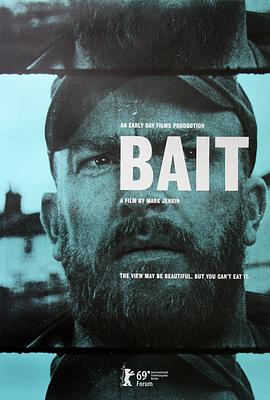
康沃尔渔村的风景明信片田园诗误导了人们。虽然过去钓鱼是一种养家糊口的方式,但如今富有的伦敦游客纷纷下山,取代了当地人,当地人的生计因此受到威胁。史蒂文和马丁兄弟的关系也很紧张。马丁是一个没有船的渔夫,因为史蒂文开始用它来为一整天的游客提供更赚钱的旅游。他们卖掉了这座家庭别墅,现在看来,最后一场战斗是和新主人在海边的停车位上展开。然而,情况很快就失控了,而不仅仅是因为车轮夹钳。 Bait是一种黑白,手工制作,16毫米胶片制作的电影。许多关于鱼、网、龙虾、长靴、绳结和渔篮的特写镜头让人想起了蒙太奇景点的理论。对不同社会阶层的描述——可以说是阶级关系——也让人想起了英国电影中的社会现实主义传统。然而,最重要的是,在影像中不同层次的电影历史参考文献之下,当前许多政治关联正在等待被发现。 The picture-postcard idyll of the Cornwall fishing village is misleading. While fishing used to be a way of supporting oneself, wealthy London tourists have now descended and are displacing the locals, whose livelihood is thus threatened. The relationship between brothers Steven and Martin is also strained. Martin is a fisherman without a boat, since Steven started using it for far more lucrative tours for all the day-trippers. They’ve sold the family cottage and now it seems that the final battle to be fought is that with the new owners over the parking space next to the sea. Yet the situation soon gets out of hand, and not just because of the wheel clamp. Bait is a black-and-white film shot on hand-processed 16mm. Numerous close-ups of fish, nets, lobsters, wellington boots, knots and catch baskets bring to mind the theory of a montage of attractions. The depiction of the different social strata – one could speak of class relations – is also reminiscent of the tradition of social realism in British cinema. Above all, however, a whole lot of current political relevance is waiting to be discovered beneath the different layers of film historical references contained in the images.
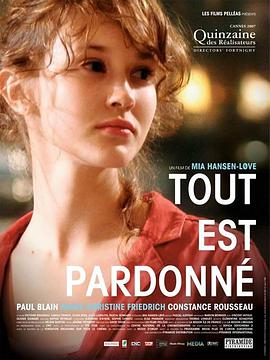
维克多(Paul Blain 饰)和妻子安妮特(Marie-Christine Friedrich 饰)结婚多年,两人共同养育着女儿帕梅拉(Victoire Rousseau 饰),一家人住在风景如诗如画的维也纳,日子平静之中充满了幸福。然而,让安妮特没有想到的是,维克多竟然沾染上了毒品,整日和毒贩们厮混在一起。 回到巴黎后,维克多不仅没有改邪归正,反而变本加厉,一个幸福美满的家庭眼看着就要毁于一旦。在发现维克多不可能改变后,安妮特果断的带着帕梅拉离开了家,两人相依为命,隐姓埋名的生活着,一晃眼就是十一年过去。彼时的帕梅拉已经成长为了亭亭玉立的大女孩,童年时代不幸的经历让她对父亲充满了愤怒和怨怼。当帕梅拉得知自己的父亲依然活着,并且就和自己生活在同一个城市后,她决定去见一见他。
生长在大城市贫困区的阿强,因为一场交通意外,不仅失去了妹妹的生命,更衍生出来自贫苦环境的压力而造就的社会问题。(via 第二十届上海电影节市民观影手册)