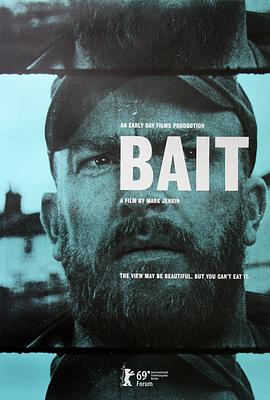
康沃尔渔村的风景明信片田园诗误导了人们。虽然过去钓鱼是一种养家糊口的方式,但如今富有的伦敦游客纷纷下山,取代了当地人,当地人的生计因此受到威胁。史蒂文和马丁兄弟的关系也很紧张。马丁是一个没有船的渔夫,因为史蒂文开始用它来为一整天的游客提供更赚钱的旅游。他们卖掉了这座家庭别墅,现在看来,最后一场战斗是和新主人在海边的停车位上展开。然而,情况很快就失控了,而不仅仅是因为车轮夹钳。 Bait是一种黑白,手工制作,16毫米胶片制作的电影。许多关于鱼、网、龙虾、长靴、绳结和渔篮的特写镜头让人想起了蒙太奇景点的理论。对不同社会阶层的描述——可以说是阶级关系——也让人想起了英国电影中的社会现实主义传统。然而,最重要的是,在影像中不同层次的电影历史参考文献之下,当前许多政治关联正在等待被发现。 The picture-postcard idyll of the Cornwall fishing village is misleading. While fishing used to be a way of supporting oneself, wealthy London tourists have now descended and are displacing the locals, whose livelihood is thus threatened. The relationship between brothers Steven and Martin is also strained. Martin is a fisherman without a boat, since Steven started using it for far more lucrative tours for all the day-trippers. They’ve sold the family cottage and now it seems that the final battle to be fought is that with the new owners over the parking space next to the sea. Yet the situation soon gets out of hand, and not just because of the wheel clamp. Bait is a black-and-white film shot on hand-processed 16mm. Numerous close-ups of fish, nets, lobsters, wellington boots, knots and catch baskets bring to mind the theory of a montage of attractions. The depiction of the different social strata – one could speak of class relations – is also reminiscent of the tradition of social realism in British cinema. Above all, however, a whole lot of current political relevance is waiting to be discovered beneath the different layers of film historical references contained in the images.
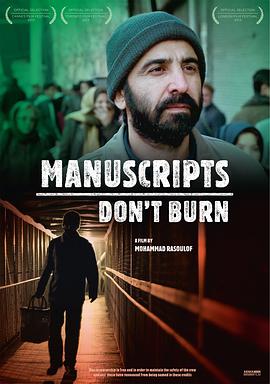
這是真實歷史事件:1995年,伊朗政府秘密策劃暗杀21個作家與記者,但行動失敗,只留下一份披露這次計劃的手稿。導演為這段黑歷史譜上後續:20年後,官方僱用兩個殺手尋找這份手稿,因為它記載的真相將威脅到獨裁政權。殺手Morteza與Khosrow如同往常一樣以熟練的手法恐嚇迫問知情者——只是這次的受害者,正是當年倖存、今天仍受政府壓迫的作家。導演以虛構的現在與真實的過去交織,意欲發掘事件真相。在極權政府眼中,真相卻是不能說的秘密,對人權的踐踏又豈止一場夢魘?因為導演身上長達20年的禁拍令,拍攝這部電影本身已是罪,為了保護參與的人員,除導演外全片所有演員與工作人員的名字均沒有列明,濔漫的白色恐怖卻正正成為戲中無言暴力的明證。