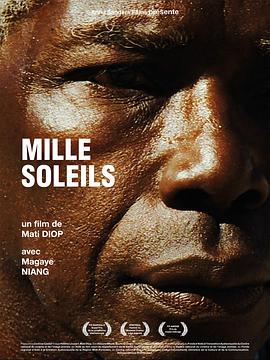
The film accompanies Magaye Niyang, a star of Touki-Bouki, a 1972 classic directed by her own uncle Djibril Diop. Following this path, we are witness of Niyang travel to a special screening of the film, which has a public release in his old town. Niyang seems detached and with a heavy longing from the past, and therefore, the film debris permeates everything with unescapable sorrow and fascination. Diop film is, first and foremost, a nostalgic travel through memory, time and recreation. It is also a watermark in contemporary experimental documentary, a very intimate portrait of a lost long journey through the past that isn’t returning anymore, a detachment of rejected fame, recognition and connection which is heavily grounded on a legacy that belongs to the past, and that connects directly to a country (Senegal) and its heritage, which is sometimes feel excruciating for the old ones (a testimony such as the taxi scene in the film, where the cab driver longs for changes, and claims that the old generation had done nothing for that). Mille Soleils (A Thousand Suns) and, in itself, Mati Diop’s crucial talent, should be a point of reference into what could easily be one of the most interesting proposals of hybrid documentary cinema which has come from France, and which deals with a strong African heritage. Since 35 Rhums, where she proved her actress talent, Diop seems like a true promise for the following years of cinema.
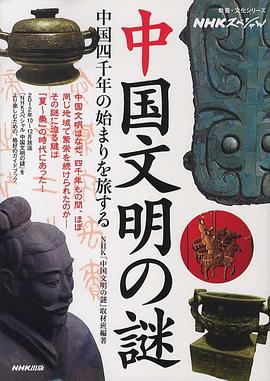
広大な国土と膨大な人口。 ますます存在感を高める中国。 世界の「四大文明」の中で、エジプト、メソポタミア、インダスの文明は滅亡・断絶したが、 唯一中国文明だけは、4000年以上にわたってほぼ同じ地域で同じ文明を維持してきた。 そこには、東アジア独特の文明の「かたち」がある。 近年、中国では考古学の発掘が飛躍的に進み、謎に包まれてきた文明誕生の歴史が次々と明らかになりつつある。 発見された遺跡や出土文物から、中国文明を原点から理解するための鍵を探っていく。 経済的にも、文化的にも、これからますます関係が深まるであろう中国。 この国を理解するための重要な経路の一つが、文明誕生の歴史をたどることだと考えています。 王朝興亡のドラマを、新発見の貴重な遺跡や文物の映像とともに楽しんでいただければ幸いです。 大型企画開発センター エグゼクティブ・プロデューサー 近藤史人