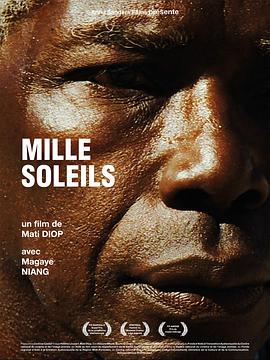
The film accompanies Magaye Niyang, a star of Touki-Bouki, a 1972 classic directed by her own uncle Djibril Diop. Following this path, we are witness of Niyang travel to a special screening of the film, which has a public release in his old town. Niyang seems detached and with a heavy longing from the past, and therefore, the film debris permeates everything with unescapable sorrow and fascination. Diop film is, first and foremost, a nostalgic travel through memory, time and recreation. It is also a watermark in contemporary experimental documentary, a very intimate portrait of a lost long journey through the past that isn’t returning anymore, a detachment of rejected fame, recognition and connection which is heavily grounded on a legacy that belongs to the past, and that connects directly to a country (Senegal) and its heritage, which is sometimes feel excruciating for the old ones (a testimony such as the taxi scene in the film, where the cab driver longs for changes, and claims that the old generation had done nothing for that). Mille Soleils (A Thousand Suns) and, in itself, Mati Diop’s crucial talent, should be a point of reference into what could easily be one of the most interesting proposals of hybrid documentary cinema which has come from France, and which deals with a strong African heritage. Since 35 Rhums, where she proved her actress talent, Diop seems like a true promise for the following years of cinema.
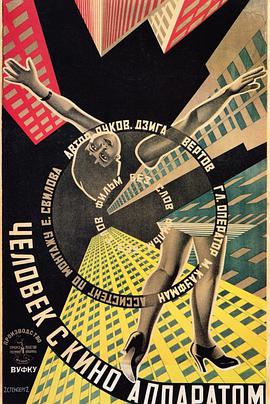
本片是苏联纪录片导演,“电影眼”理论的创始人吉加•维尔托夫(Dziga Vertov)的代表作。电影主要拍摄于乌克兰的敖德萨市,摄像师是维尔托夫的哥哥米凯尔•卡夫曼(Mikhail Kaufman)。影片主要分观众入席、城市黎明、人民的工作与休息、体育运动和艺术实践几部分,通过刻画人民生活的方方面面来呈现苏维埃新社会中的一个理想城市。摄影师米凯尔•卡夫曼在拍摄的同时也出现在电影画面中,首创了“自我暴露”的电影形式。在这部具有里程碑性突破意义的纪录片中,维尔托夫首次使用了二次曝光、快进、慢动作、画面定格、跳跃剪辑、画面分割等前卫剪辑手法,并采用了仰角、特写、推拉镜头等新颖的拍摄手法,并制作了一段定格动画。