《今晚你要去哪里》节目以情感为“主定位”,关注当代热点社会话题、职场话题、家庭话题等,以微记录微纪实的方式,走进不同人物的真实生活。通过侧拍对聊的方式,激发人物心底的情感。拍摄暂定晚上,夜晚是人最容易感性的时间,可以引发拍摄主角谈论更多真实的事件,同时也可以带动观看者情绪,在更安静的共情观看,思考自己的当下。
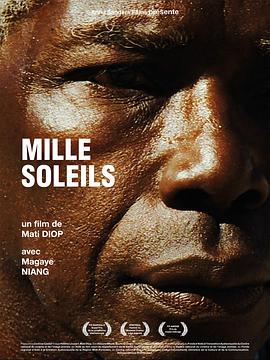
The film accompanies Magaye Niyang, a star of Touki-Bouki, a 1972 classic directed by her own uncle Djibril Diop. Following this path, we are witness of Niyang travel to a special screening of the film, which has a public release in his old town. Niyang seems detached and with a heavy longing from the past, and therefore, the film debris permeates everything with unescapable sorrow and fascination. Diop film is, first and foremost, a nostalgic travel through memory, time and recreation. It is also a watermark in contemporary experimental documentary, a very intimate portrait of a lost long journey through the past that isn’t returning anymore, a detachment of rejected fame, recognition and connection which is heavily grounded on a legacy that belongs to the past, and that connects directly to a country (Senegal) and its heritage, which is sometimes feel excruciating for the old ones (a testimony such as the taxi scene in the film, where the cab driver longs for changes, and claims that the old generation had done nothing for that). Mille Soleils (A Thousand Suns) and, in itself, Mati Diop’s crucial talent, should be a point of reference into what could easily be one of the most interesting proposals of hybrid documentary cinema which has come from France, and which deals with a strong African heritage. Since 35 Rhums, where she proved her actress talent, Diop seems like a true promise for the following years of cinema.
姉・縁の替え玉として才原高嶺(高杉真宙)とお見合いをすることになった野々村花(竹内愛紗)。 そこにやってきたのは予想外にイケメンな高嶺。しかし、高嶺の横柄な態度や罵詈雑言に花は怒りを抑えきれず、啖呵を切ってその場を立ち去ってしまう。 破談と思われたお見合いだったが、外見やステイタスに左右されない花に高嶺は興味を持つ。一方花は、高慢な高嶺を屈服させようと、奇しくもお見合いは継続することに。 罵り合いながらもお互いを想い気遣いあう純粋な愛が垣間見れる、ちょっと不器用なツンデレラブコメディ。