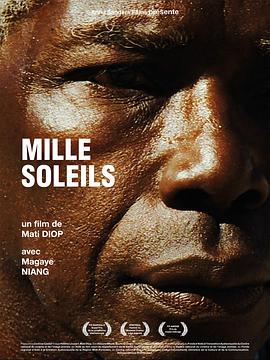
The film accompanies Magaye Niyang, a star of Touki-Bouki, a 1972 classic directed by her own uncle Djibril Diop. Following this path, we are witness of Niyang travel to a special screening of the film, which has a public release in his old town. Niyang seems detached and with a heavy longing from the past, and therefore, the film debris permeates everything with unescapable sorrow and fascination. Diop film is, first and foremost, a nostalgic travel through memory, time and recreation. It is also a watermark in contemporary experimental documentary, a very intimate portrait of a lost long journey through the past that isn’t returning anymore, a detachment of rejected fame, recognition and connection which is heavily grounded on a legacy that belongs to the past, and that connects directly to a country (Senegal) and its heritage, which is sometimes feel excruciating for the old ones (a testimony such as the taxi scene in the film, where the cab driver longs for changes, and claims that the old generation had done nothing for that). Mille Soleils (A Thousand Suns) and, in itself, Mati Diop’s crucial talent, should be a point of reference into what could easily be one of the most interesting proposals of hybrid documentary cinema which has come from France, and which deals with a strong African heritage. Since 35 Rhums, where she proved her actress talent, Diop seems like a true promise for the following years of cinema.
这是一部越南校园主题BL网剧,讲述了一群高中生因同性恋而受到折磨的故事。
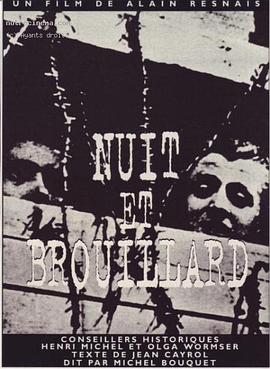
1956年导演阿伦•雷乃用摄影机带领观众重回奥斯维辛。当年纳粹集中营的旧址上已是一片祥和美丽的野外风光。然而时间倒回到1933年纳粹党掌权之时,整个城市被阴霾笼罩——大片修建起来的集中营房排列整齐,大量犹太人被抓进集中营开始接受非人的折磨和侮辱。这里对人种进行分级,在皮肤上纹上编号,在衣服上缝制等级的徽章。疾病,饥饿,劳役使集中营尸体遍地。1942年希莱姆到访,奉行“破坏”政策,集中营难民进入更加悲惨的境遇,被药品公司买下用作实验。1945年,集中营人数倍增后已不堪负荷,成堆的尸体被推土机推入大坑掩埋......