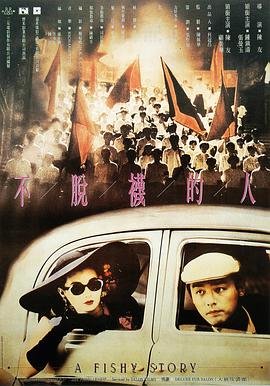
当州长爱上了脱衣女郎
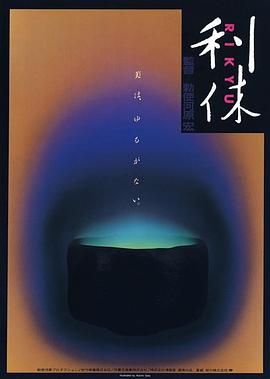
织田信长被明智光秀刺杀身亡数年后,伺候他的利休当上了信长的继承者丰臣秀吉的茶道首领。利休通过茶水的魅力,笼络了全国的武将,并尽其奢侈,营造了茶道最高府第,京都待庵。即侍候丰臣秀吉的主持僧侣的行宫。构筑了一个利休自己的世界。可是,美梦不长,自石田三成的势力增强以后,秀吉和利休的关系开始出现了激烈的矛盾。起初,利休心爱的徒弟宗二,因冒犯秀吉,被赶出行宫,杀了头。接着,石田三成向秀吉进谗言说“利休对出征朝鲜抱有怀疑”。正巧这时,利休在茶室见到秀吉,不慎谈到出兵朝鲜的事,更加激怒了秀吉。秀吉终于下了一道命令,令利休退出京都,并将他禁闭于大庭院。丰臣秀吉的妻子北政所给利休的妻子利木写了封信,说是利休如果肯认错,她想去乞求秀吉原谅利休。可是,利木的回信只是郑重其事地表示了感谢之外,没说别的事。丰臣秀吉见此信更加生气,命令利休剖腹谢罪。
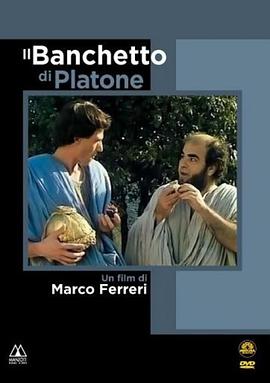
本片是由《会饮篇》改编而成的电视电影(TV Movie)。 《会饮篇》(Symposium)是柏拉图对话录中的名篇。对话的背景是悲剧家阿伽松(Agathon)为庆祝自己的剧本获奖,邀请了几位朋友到家中饮酒、清谈。参与者有修辞学家斐德罗(Phaedrus)、喜剧家阿里斯托芬和苏格拉底等人。整篇对话主要由六篇对爱神厄洛斯(Eros)的颂辞组成,探讨的是爱的本质。
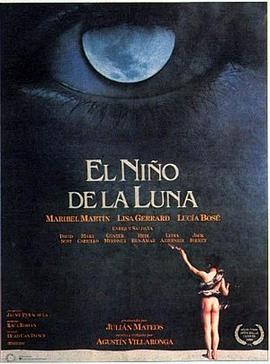
Since ancient times, a tribe on the African continent has been prophesying that a white boy will arrive to be their god: the Son of the Moon. David, a 12-year-old orphan who lives in Europe, learns about the prophecy and believes that he is the chosen child and that destiny must be fulfilled at any cost. Before David can fulfill his prophecy he must escape the heavily guarded scientific organization that has adopted him. David's strange behavior and the fact that he possesses extrasensory perception, has attracted the attention of an organization researching so-called "prodigious beings" in the occult tradition. David soon discovers that their goal is to channel the moon's energy into a child yet to be born, robbing him of his rightful place as the Son of the Moon. Two women, Victoria, a member of the center, and Georgina, the future mother of the supposed moonchild, will help David fulfill his destiny. After several attempts David manages to escape the center and undergoes a series of new experiences: love, adventure, supernatural events and even death. David is relentlessly pursued, pushing him further towards his goal, towards Africa where his fate awaits him.
一部真人实事搬上大萤幕的传记电影。主角杰利路易斯是由丹尼斯奎德所饰,而饰演其13岁小妻子的女孩则是美丽的薇诺娜瑞德。丹尼斯在该片有相当迷人的表演,并且充分的表现了他个人在音乐方面较不为人知的才华。1950年代,摇滚乐被视为是一种违反上帝的野蛮音乐。杰利路易斯,一位傲慢、自大却才华洋溢、备受瞩目的摇滚乐手。他自由、不受旧有风俗规范的表演曲风,在当时出乎意料的大受欢迎,知名度甚至掩盖了同时期摇滚巨星猫王的风采,并为合作夥伴及唱片老板赚进大把钞票。但这样的局势却维持不久,因为...他娶了一个足以当他女儿的13岁小女孩,在当时保守的民风下,这当然是不被允许的,杰利路易斯也因此面临了人生道路上的抉择。
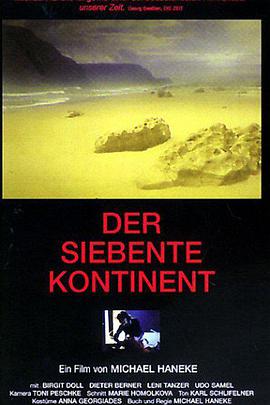
前半部分的忍耐,后半部分的疯狂,一个普通中产阶级家庭的真实故事。
外村が経営する精神科クリニックに美也子が訪れたのは、夕暮れの診察時間が終了する頃だった。旅行会社に勤める美也子は、君江という女と同居しており、その君江が異常に嫉妬深くてなやんでいると外村に打ち明ける。帰り道、外村の患者である平山に強引に迫られていた美也子を助けた外山は、彼女をマンションまで送り届けた。それから何日かたったある日、君江から外村に「私達に溝わないで!」と電話が入った。美也子のことが気にかかった外村は彼女に近づき、君江からの電話の件を話した。すると突然美也子の声が君江に変わり、ナイフで外村の膝を刺した。数日後、入院した外村を見舞いに来た美也子はその事を全く記憶していなかった。君江にもう一度会いたいと外村がつめよろうとしたとき、恋人のはるみが病室に現れ、美也子に嫉妬するが、美也子には別の感情がわいていたのだった。外村は美也子の心の秘密を探り、同性愛の二人が心中を図り、君江が死に美也子が生き残ったという事実を知る。美也子のマンションを訪れた外山は、そこで君江になりきり、美也子を愛するはるみを見る。そして、外村は彼女らのマンションを背に去って行くのだった。
这部黑色喜剧以五十年代为背景,故事围绕一名少年怀疑父母用不可告人的途径,获取每天吃的肉类,并感觉到真相就藏在地下室里。
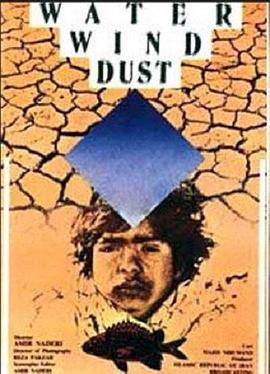
This is an unusual film of exceptional values--75 minutes long in color, with hardly any spoken dialogs. I saw this Iranian film in Farsi without English subtitles at the Early Iranian cinema retrospective on-going International Film Festival of Kerala, India. That I was watching a print without subtitles did not make a difference as there were very few lines of spoken dialogs. This is a very accessible film for any audience to enjoy--its story and values are not merely Iranian, it's universal. The film is set in rural Iran that had not tasted petro-dollar prosperity. The setting is on fringes of desert land, where water is scarce, rainfall scanty and hardly any blade of grass is green. Add to it wind and dust that buffets and whips man and animal and you can imagine plight of the people who live on the fringes of society. The film is moving tale of a young teenager returning to his village with a goat--only to find his family and villagers have moved on to escape natures vagaries and that one old man remains. He gives the goat to him and goes in search of his family. Water is scarce and well water it treated with reverence and never wasted.