《档案》是北京电视台推出的纪实栏目,于2009年2月4日开播。节目定位为演播室节目,由一个特定的,极具个性化的讲述者(主持人)现场讲述和展示为基本形态,节目形式以案件和事件现场实录回放为线索,首次披露国内大案要案、社会传奇、情感故事等;其内涵深外延广。节目贴近百姓生活,紧跟时代脉搏,展现人生百态,透视社会万象。百姓关心、关注的热点是我们节目选题的目光指向;更融合了国外最新传奇探索节目和国内栏目形式,以前所未有的视觉冲击力和“新奇特”角度探索世界,找寻那曾经的真实所在和鲜为人知的事实真相。
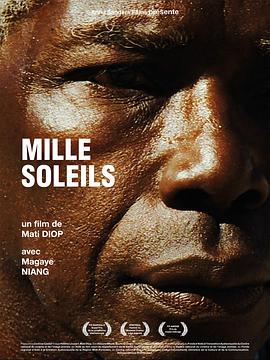
The film accompanies Magaye Niyang, a star of Touki-Bouki, a 1972 classic directed by her own uncle Djibril Diop. Following this path, we are witness of Niyang travel to a special screening of the film, which has a public release in his old town. Niyang seems detached and with a heavy longing from the past, and therefore, the film debris permeates everything with unescapable sorrow and fascination. Diop film is, first and foremost, a nostalgic travel through memory, time and recreation. It is also a watermark in contemporary experimental documentary, a very intimate portrait of a lost long journey through the past that isn’t returning anymore, a detachment of rejected fame, recognition and connection which is heavily grounded on a legacy that belongs to the past, and that connects directly to a country (Senegal) and its heritage, which is sometimes feel excruciating for the old ones (a testimony such as the taxi scene in the film, where the cab driver longs for changes, and claims that the old generation had done nothing for that). Mille Soleils (A Thousand Suns) and, in itself, Mati Diop’s crucial talent, should be a point of reference into what could easily be one of the most interesting proposals of hybrid documentary cinema which has come from France, and which deals with a strong African heritage. Since 35 Rhums, where she proved her actress talent, Diop seems like a true promise for the following years of cinema.
暂无内容